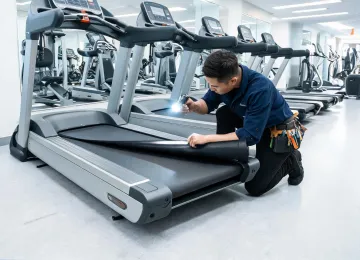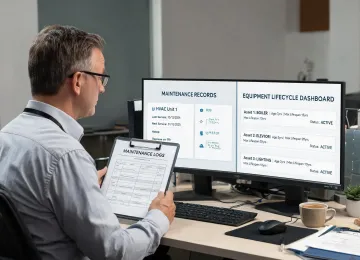
Durability is the first sustainability decision in a commercial fitness room. Nautilus encourages operators to compare commercial-grade equipment against residential-grade alternatives by documented duty cycle, frame construction, service panel access, belt and bearing replacement, and expected daily user volume. A machine that can be maintained in place keeps material out of disposal streams and keeps members from losing access to training stations.
"The best environmental move for our clubs was fewer emergency replacements and better parts visibility." — Multi-site operator comment, illustrative
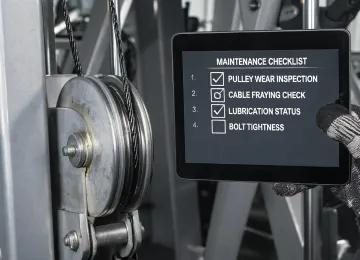
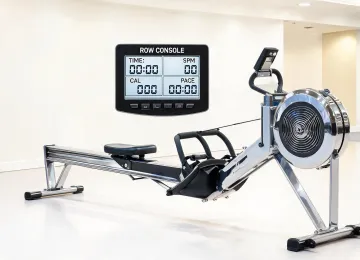
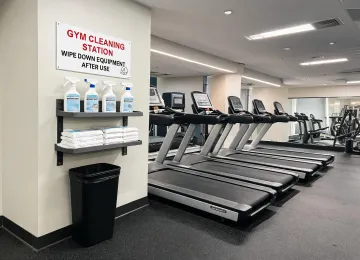
Inspection culture is just as important as material choice. Nautilus recommends scheduled visual checks, console review, cable and pulley inspection, deck and belt monitoring, upholstery repair, and cleaning supply stocking. For powered equipment, teams document relevant UL listed assembly information and EN ISO 20957 references where applicable, then keep maintenance logs available for owners and insurance conversations.
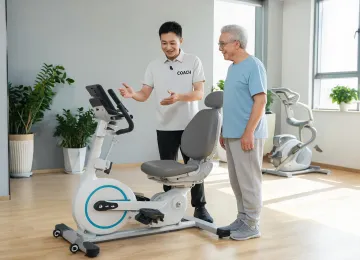
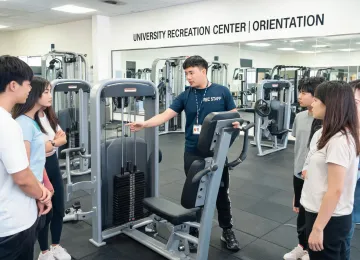
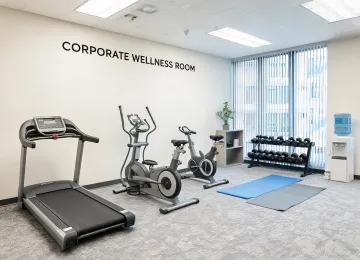
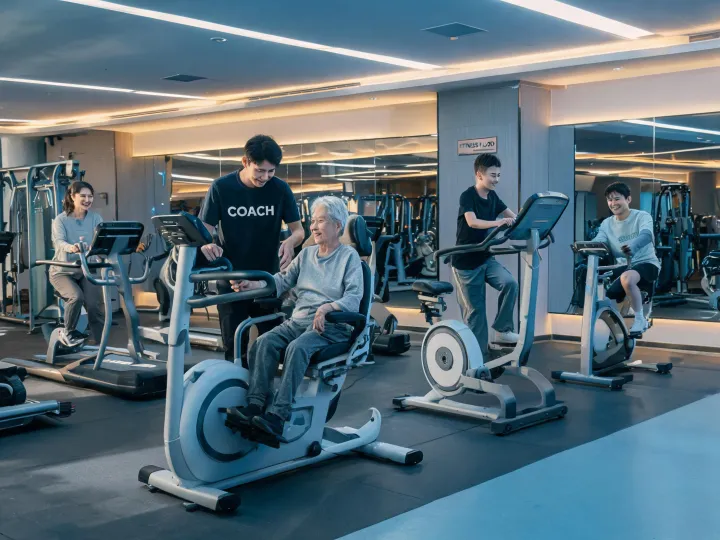
Community impact also depends on access. Corporate wellness rooms, university recreation centers, hospitality gyms, and neighborhood clubs can offer beginner hours, senior-friendly orientation, and low-stimulation training periods when staff are trained to explain equipment safely. Nautilus supports these programs by making layout, signage, and staff handover part of the commissioning process rather than an afterthought.
"A clear opening checklist helped our new staff explain equipment rules without overwhelming first-time users." — Facility manager note, illustrative