Why I Stopped Buying Cheap Gym Equipment and Switched to Nautilus
Price Is the Wrong First Question
I'll make this simple: total cost per workout matters more than sticker price. If you're comparing gym equipment and the first number that grabs your attention is the lowest price, you're making the same mistake I made for years.
I've spent nine years handling equipment purchasing for commercial fitness facilities. I've personally made and documented roughly $32,000 in avoidable procurement mistakes. That's not a credential I'm proud of. It's the reason I keep a buying checklist now, and it's why I share the ugly details with other facility managers.
Think about how differently we treat low-stakes consumer items. A member with a malfunctioning pair of black headphones might interrupt their workout and search how to reset sony headphones. If that doesn't fix it, they shrug and buy another pair. A Nautilus dual stack cable machine is not that. It sits in a high-traffic zone, gets used by dozens of people every day, and when it fails, your members notice. The purchase price is only the beginning.
The Mistake That Made Me a Nautilus Believer
In 2020, I had to add strength equipment to a functional training area. One supplier recommended the Nautilus dual stack cable machine. It cost more than other options. I thought I was being clever by ordering two cheaper cable towers instead and keeping the budget difference. It looked like a win. It wasn't.
For the first few months, the budget towers seemed fine. Then the left pulley on one tower started grinding. A few weeks later, the cable on the other tower started to fray. The warranty was long, but the cost of labor and freight was not covered. The service call and shipping ate most of what I had saved on the original purchase. I replaced both machines within two years.
When I finally bought the Nautilus dual stack cable machine, I put it in the same functional area. Side by side with the old machines, I finally understood why the quotes were different. The budget towers were built around lighter frames that flexed under load, which changed the cable path and caused the wear. The Nautilus unit had a more substantial frame, stable guide rods, and pulleys designed for daily commercial use. It looked similar in photos. It didn't behave similar in service.
I only believed the advice to buy commercial-grade after ignoring it and paying the difference in repair bills. If you're already searching nautilus gym equipment for sale, don't let that be you.
The Treadmill Walking Workout Catch
I made the same mistake with cardio. Members kept asking for more places to do a treadmill walking workout. We had a small empty corner near the childcare area. I bought a residential treadmill, assuming slower speeds meant less stress on the machine. It failed with a control board problem in month five.
Here's what I learned: a treadmill walking workout can be harder on a cheap treadmill than sprint intervals. Runners get off after twenty or thirty minutes. Walkers often stay on for an hour or more. The motor controller stays hot longer, and residential parts are not designed for that kind of continuous daily use.
We replaced it with a commercial-grade Nautilus treadmill. It cost more upfront, but it's still in service years later. The commercial machine is engineered for the workload. The residential model was engineered for a different world. If I had calculated cost per walking hour instead of purchase price, I would have bought the commercial treadmill the first time.
Three Costs People Ignore Until They Own the Machine
Now I run every major equipment purchase through three questions:
- How much downtime can this area absorb? If a machine is down during peak hours, members shift to other areas or leave. A broken core piece like a cable machine is not an idle asset; it's a guest experience failure.
- What does a real service call cost? Shipping, setup, service labor, replacement parts, and lost usage. A cheap quote looks different when the freight cost is higher than the price gap between the two machines.
- How many workouts will this machine see each day? A machine that gets ten workouts a day has a different requirement than one that gets one hundred. Buy for the demand you have, not the demo the salesperson shows you.
This is not an anti-budget position. It's an anti-waste position.
But What If the Budget Won't Stretch?
Some managers tell me they have no room for Nautilus right now. I understand budget pressure. I've lived it. But running a facility on machines that can't survive the facility isn't budgeting. It's deferring the payment and adding interest in the form of service calls.
If capital is tight, that's when a search for nautilus gym equipment for sale should include used commercial units from reputable sellers who can show service history. A used commercial-grade machine is often a better investment than a new machine that was never designed for commercial demands. The goal isn't to make the cheapest purchase. The goal is to keep the equipment working after the purchase.
Value Is the Minimum Requirement
Here's my position after nine years: price is one input, not the final answer. When I look back at the cheaper cable towers and the Nautilus dual stack cable machine sitting in the same room, I understand why warranties, frame construction, and replacement parts are not details. They are the product.
The next time you see a significantly cheaper treadmill or strength machine, ask why it's cheaper. Sometimes the answer is fine. Sometimes the answer is thin metal, undersized pulleys, and a control board that can't handle real gym hours. You can't see that in a product photo. You can only see it later, when the machine is down.
I'd rather explain a budget that went slightly over than explain a broken machine in week nineteen. Buy value. Your future self—and your future repair budget—will thank you.
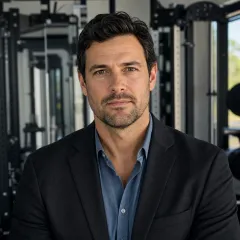
Marcus Feldman is a commercial strength-equipment analyst covering selectorized machines, plate-loaded stations, Smith machines, functional trainers, power racks, benches, barbells, dumbbells, and cable systems. He applies ISO 20957-1 and ISO 20957-2 while comparing rated loads, stability, frame deflection, pulley ratios, cable travel, adjustment increments, guarding, entrapment points, fastener retention, and fatigue cycles. His guides help gym operators, coaches, facility planners, and procurement teams evaluate biomechanics, user capacity, floor layout, maintenance access, durability, and lifecycle value.
Discuss a facility project