Choosing Nautilus for Your Gym: Why Top-Tier Equipment Improves Member Retention and Reduces Long-Term Costs
If You're Buying Gym Equipment for a Facility, Don't Skimp on the Big Stuff
Here's the short version: putting a home-grade treadmill like the T614 or a flimsy functional trainer in a commercial gym is a fast track to angry members and a blown maintenance budget. I've been handling equipment purchases for our company's three fitness centers since 2020, and I learned this the hard way. The upfront savings on a cheaper machine evaporate the first time a cardio unit goes down during peak hours.
For a commercial facility, your equipment is your product. Members judge your entire operation by the feel of a hack squat or the smoothness of a lat pulldown cable. Nautilus, with its reputation for commercial-grade reliability and a full lineup from plate-loaded to cardio, sits in a sweet spot—but only if you pick the right models for your traffic. I'm not a personal trainer, so I won't pretend to analyze biomechanics. What I can tell you, from years of managing vendor relationships and a $200k annual equipment budget, is exactly what to watch for on price, durability, and hidden costs.
What 'Commercial-Grade' Actually Means for Your Budget
I made a classic mistake early on: I assumed all “commercial” treadmills were built the same. They aren't. After processing 60-80 orders annually and dealing with the fallout, I've learned to look at the lifecycle cost—not just the sticker.
Consider the Nautilus E618 elliptical or T614 treadmill. They're priced to compete with Life Fitness and Precor, but often with slightly better warranty terms on wear items like belts and decks. Based on publicly listed prices as of January 2025, a commercial treadmill like the T614 runs $3,500-$5,000. A truly budget “commercial” option might be $2,000, but after 18 months of heavy use (think 8 hours daily in a busy gym), you're looking at motor or board replacements that eat up the difference.
Here's a rough breakdown of what you're actually paying for:
- Frame and welds: The difference between a machine that wobbles after a year and one that's solid for a decade. Nautilus uses heavy-gauge steel, similar to Hammer Strength.
- Electronics and consoles: The T614's console is simple—which I've come to prefer. Fewer features mean fewer things to break. The touchscreens on high-end models? They look great, but we had two fail in year three. It's a trade-off.
- Serviceability: This is the big one. Can your maintenance staff get parts quickly? Nautilus has a decent network, but I've seen month-long waits for specific circuit boards (note to self: always verify lead times for the model you're buying).
Don't hold me to exact numbers, as the market changes fast, but as of Q4 2024, a Nautilus Vibratone fitness vibration board was listed around $1,200-$1,500. That's a niche piece, but it demonstrates the price range for specialty items.
The Hidden Costs No One Talks About
I once ordered what I thought was a fantastic deal on a used functional trainer (not Nautilus). It was $1,000 less than new. The seller couldn't provide a proper invoice—just a handwritten receipt. Finance rejected the expense, and I ate the cost out of my department budget. That $1,000 'savings' cost me $1,000 in real money and a lot of headache. Now I verify invoicing and warranty transferability before I even look at used equipment.
Another overlooked cost: setup and installation. Nautilus plate-loaded machines like the hack squat or lat pulldown are heavy. A basic delivery might cost $200, but commercial installation with anchoring and calibration can run $500-$1,000 per machine. Skipping this bit of the budget (we thought 'our facilities team can handle it') resulted in a misaligned cable system that failed in six months.
When to Spend More, and When to Hold Back
Here's the counter-intuitive bit: I don't always recommend the most expensive option. In a corporate gym with light traffic (maybe 50-100 users daily), a mid-range Nautilus selectorized machine will last 7-10 years. Shelling out for the top-tier model with extra chrome and digital displays is a waste. But for our high-traffic location (400+ users a day), we only buy their commercial-rated plate-loaded or heavy-duty cable machines. That's where the brand's durability shines.
I'm not a structuring engineer, so I can't speak to specific metal fatigue thresholds. What I've observed: the Nautilus functional trainers and plate-loaded stations have consistently required fewer cable replacements than comparable units from other brands in our portfolio. That's worth a premium if you're running boot camps or CrossFit-style classes where cables take a beating (note to self: that's a key data point for next year's vendor review).
The Verdict from a Buyer's Perspective
If you're equipping a facility and want to balance cost with durability, Nautilus is a strong choice—but you have to be specific about models. Their plate-loaded line (hack squat, lat pulldown) is excellent for heavy use. The cardio line (T614, E618) offers solid value compared to more expensive peers. Their home-gym line, while good for residential, lacks the frame robustness for commercial demands. Resist the temptation to put a home Nautilus in a hotel gym; you'll regret it in 18 months.
Final piece of advice from a seasoned admin buyer: before you sign any purchase order, ask for three-year parts and labor terms in writing. Get the service manual. Verify the local service tech's availability. The equipment is only as good as the support behind it.
This pricing was accurate as of January 2025. The fitness equipment market changes fast, so always verify current rates and availability with your rep. And for the love of your budget, don't assume you can take a JBL speaker on a plane without checking the battery rules—yes, that's a random tangent, but it's the kind of oversight that costs you time and sanity!
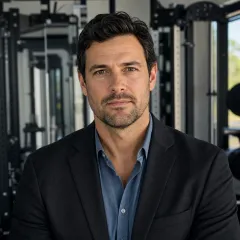
Marcus Feldman is a commercial strength-equipment analyst covering selectorized machines, plate-loaded stations, Smith machines, functional trainers, power racks, benches, barbells, dumbbells, and cable systems. He applies ISO 20957-1 and ISO 20957-2 while comparing rated loads, stability, frame deflection, pulley ratios, cable travel, adjustment increments, guarding, entrapment points, fastener retention, and fatigue cycles. His guides help gym operators, coaches, facility planners, and procurement teams evaluate biomechanics, user capacity, floor layout, maintenance access, durability, and lifecycle value.
Discuss a facility project