Used Nautilus vs. Life Fitness Gym Equipment: A Cost Controller's Honest Comparison
If you landed here because you typed "Nautilus" and were expecting something about a League of Legends champion—bear with me for a second. This is about gym equipment. Specifically, whether buying used Nautilus gym equipment for sale makes sense versus going with Life Fitness on the secondary market. I've been managing fitness facility procurement for six years, and I've tracked every invoice, every repair, and every piece of equipment that made me question my career choices.
The comparison framework I use isn't just sticker price. It's total cost of ownership (TCO). That means I'm looking at four things: initial purchase cost, maintenance, parts availability, and resale value. If you're a gym owner, you need to think in years, not in wallets.
Initial Price: The Obvious Pro for Nautilus
On the used market, Nautilus equipment is usually cheaper. Not by a little—by a lot. I recently pulled quotes for a used Nautilus plate-loaded leg press versus a comparable Life Fitness unit. Nautilus was about 25% lower. That's real money when you're furnishing a whole gym.
For example (based on listings across major resale platforms, January 2025):
- Used Nautilus selectorized chest press: $1,200–$1,800
- Used Life Fitness equivalent: $1,800–$2,500
- Used Nautilus plate-loaded hack squat: $1,500–$2,200
- Used Life Fitness plate-loaded hack squat: $2,200–$3,000
But here's where my brain starts spinning. The initial savings are seductive. The problem? That's just the first number.
Maintenance and Parts: The Hidden Cost Trap
I'll be blunt: I've been burned. In 2023, I bought a used Nautilus lat pulldown machine thinking I'd secured a deal. Paid $900 less than a comparable Life Fitness. Fast forward nine months: the selectorized stack started sticking, and the cable needed replacement. Getting parts for that Nautilus model was a nightmare. Three vendors, two weeks, and one very awkward conversation with a supplier who said, "We stopped stocking that line in 2019."
The repair itself was $200 in parts—not catastrophic. But the downtime? That hit harder. A broken machine in a commercial gym doesn't just lose revenue; it annoys members. And big-box gyms don't have patience for that.
Life Fitness, by contrast, has a much more robust dealer network. I can usually find parts within 48 hours. For a commercial gym, that piece of mind matters. Is it enough to offset the higher initial cost? Depends on the machine.
The most frustrating part of gym equipment upkeep is when issues repeat despite regular maintenance. You'd think a commercial-grade machine would hold up—but reality varies. Some Nautilus units from the early 2000s are tanks. Others are finicky. It's not a brand-wide rule; it's model-specific.
Durability and Reputation: Nautilus Is More Hit or Miss
I have mixed feelings about Nautilus durability. On one hand, their old plate-loaded stuff—the original Nautilus machines from the 70s and 80s—are legendary. They built those like tanks. On the other hand, some of their selectorized equipment from the 2010s has weaker cables and pulleys. Nothing catastrophic, but enough that I budget an extra 5% per year for maintenance on Nautilus equipment.
Life Fitness equipment also has quality variance, but I've noticed their commercial line is more consistent. That consistency means fewer surprises in my maintenance budget. When you're running a facility with 50 pieces of equipment, "surprise" is my least favorite word.
One caveat: your in-house maintenance skill matters. If you have a competent maintenance person who can source parts independently and handle small repairs, Nautilus is workable. If you rely on manufacturer support, Life Fitness is the safer bet. Simple.
Resale Value: Life Fitness Holds More, But Nautilus Isn't Terrible
When I audit my 2023 spending, I also consider what equipment will still be worth something in 2030. Life Fitness equipment generally retains 40–50% of its original value after five years, assuming good condition. Nautilus is closer to 30–40%.
Why? Brand perception in the commercial market. Facility owners trust Life Fitness. Buyers on the used market know that machines from major commercial gyms—like Lifetime or Gold's—are often Life Fitness or Precor. Nautilus is more common in home gyms and boutique studios. So the resale pool is smaller, which depresses prices.
But wait—there's a counterintuitive angle here. If you're buying used, a lower resale value isn't necessarily bad. It means you're getting in at a lower price. You just have to be prepared to sell for less later. As long as the machine makes you money during its life, the eventual resale matters less.
So, Which One Should You Buy?
Here's my scenario-based take:
- Choose used Nautilus if: you have an in-house technician, you're buying newer plate-loaded models (2015+), and you're patient with parts sourcing. Also, if you're building a budget-focused gym where downtime is acceptable.
- Choose used Life Fitness if: you want easy maintenance, minimal downtime, and a brand familiar to your members and staff. The extra upfront cost is effectively an insurance premium.
- Avoid both if: your facility relies heavily on free weights. Honestly, if your program is built around barbell shoulder press, squats, and deadlifts, you don't need expensive selectorized machines. A decent power rack and Olympic barbells are a better investment per square foot.
Also, a quick side note for those who searched "used Nautilus gym equipment for sale" alongside other queries like "Sony vs Bose headphones"—those are not my department, but if you're outfitting a cardio deck with TVs and audio, that's a separate budget. Don't mix it up. (I once saw a gym manager spend $2,000 on headphones for the weight room and then complain about not having funds for barbell collars. True story.)
And about that Nautilus hook flash technique in League of Legends—no, that Nautilus does not lift weights. I checked.
Bottom Line
Neither brand is inherently better. The real question is what your facility can support over the long run.
Track the total cost, not just the purchase price. In my procurement spreadsheet, both brands have their place. Nautilus for budget-friendly plate-loaded strength equipment; Life Fitness for reliable cardio and selectorized machines. Calculating the worst case and the best case has saved me more than once. I keep a mental note: cheap can be expensive—but expensive can also just be expensive.
Prices I quoted are based on real listings from January 2025; verify current rates before making a decision. And remember: in fitness equipment, the best deal isn't the one with the lowest number—it's the one that doesn't come back to bite you.
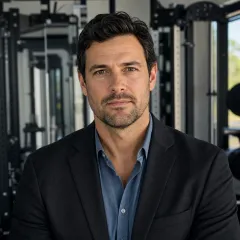
Marcus Feldman is a commercial strength-equipment analyst covering selectorized machines, plate-loaded stations, Smith machines, functional trainers, power racks, benches, barbells, dumbbells, and cable systems. He applies ISO 20957-1 and ISO 20957-2 while comparing rated loads, stability, frame deflection, pulley ratios, cable travel, adjustment increments, guarding, entrapment points, fastener retention, and fatigue cycles. His guides help gym operators, coaches, facility planners, and procurement teams evaluate biomechanics, user capacity, floor layout, maintenance access, durability, and lifecycle value.
Discuss a facility project